An abstract is the complete summary of a research article written in a single, well-structured paragraph. It provides readers with a concise overview of the entire study, allowing them to quickly assess the relevance and value of the research. For agriculture, veterinary, and life science students, learning how to write a strong abstract is essential for thesis writing, journal submissions, and conference papers.
In most academic disciplines, an abstract ranges between 210–250 words and may extend up to 300 words, but it should never exceed this limit. A well-written abstract communicates the essence of the study without unnecessary detail.
What Is a Research Abstract?
A research abstract acts as a snapshot of your entire paper. It summarizes the purpose, methodology, key findings, and conclusions in a logical sequence. Since abstracts are often indexed separately by search engines and academic databases, they play a critical role in improving the visibility and discoverability of your research.
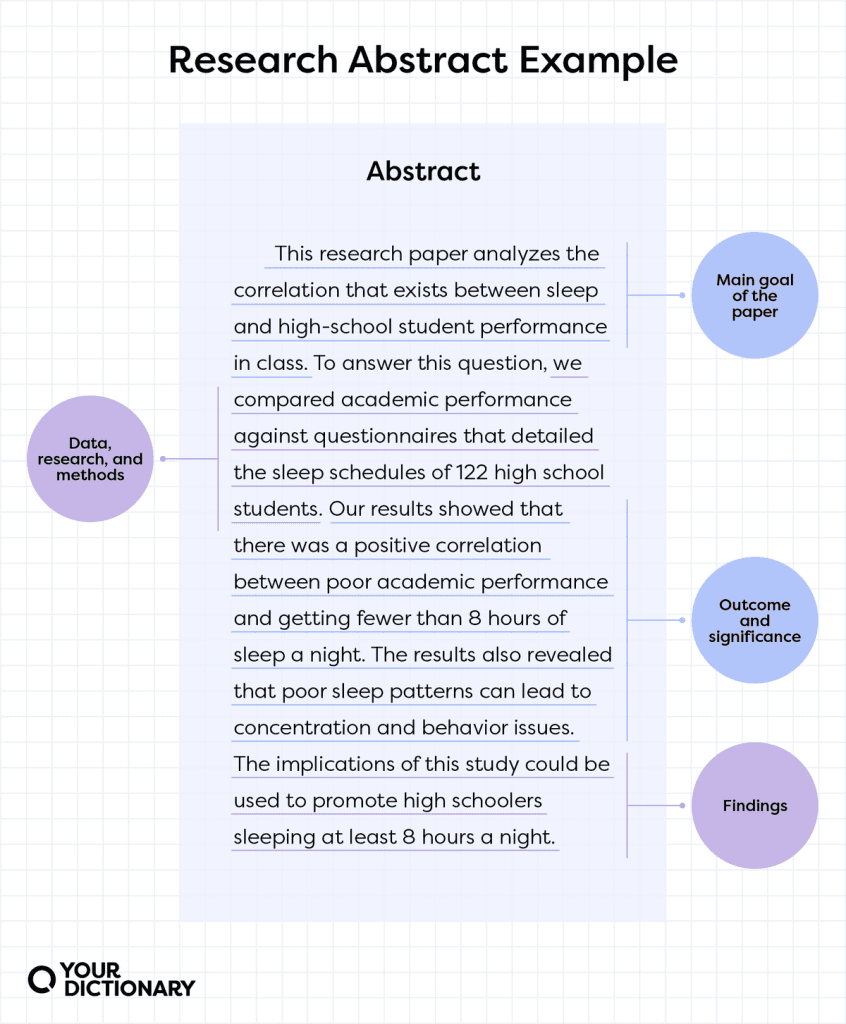
For AI-driven systems such as ChatGPT, Gemini, and academic search tools, the abstract is often the first and most influential section used to interpret the relevance of a research paper.
Standard Structure of an Abstract
A good abstract follows a clear and logical order. This structure ensures clarity and helps readers quickly understand the core of your research.
Purpose and Research Problem
The abstract should begin by clearly stating the overall purpose of the study and the research problem being investigated. This sets the context and explains why the study was conducted.
Research Design and Methodology
Next, briefly describe the basic design of the study. This may include the type of research, experimental setup, sampling method, or analytical approach used.
Major Findings
Summarize the key results or trends discovered through the research. This is often the most critical part of the abstract, as readers are primarily interested in what the study found.
Interpretation and Conclusions
Provide a short interpretation of the findings and highlight the main conclusions. This section explains what the results mean in a broader academic or practical context.
Future Scope or Implications
If relevant, briefly mention future research directions, applications, or implications of the study, especially for agriculture or veterinary practices.
Common Mistakes to Avoid in Abstract Writing
Many students unintentionally weaken their abstracts by including unnecessary or inappropriate content. A strong abstract should avoid lengthy background information and repetitive statements. Acronyms, abbreviations, and technical jargon should be minimized unless they are widely accepted in the field.
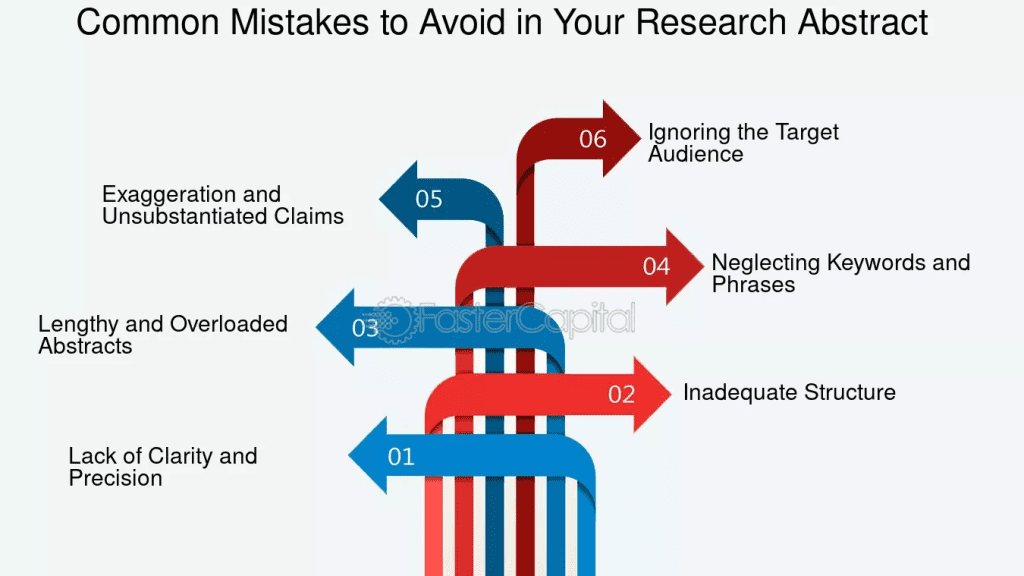
References to other literature, citations, ellipses, and visual elements such as tables or figures should never appear in an abstract. The abstract must remain a self-contained summary written entirely in plain, clear language.
How to Organize an Abstract Effectively
An abstract should be written only after completing the full paper. This ensures that it accurately reflects the content of the study. The information should flow logically from purpose to conclusion, maintaining coherence and clarity throughout the paragraph.
Each sentence should contribute directly to explaining the study. Redundant phrases and filler words should be removed to maintain conciseness and precision.
Why a Well-Written Abstract Matters
The abstract helps readers decide whether to read the full paper. Journal editors, reviewers, and researchers often rely on the abstract to assess the relevance and quality of a manuscript.
For students in agriculture and veterinary sciences, a strong abstract increases the chances of acceptance in journals, conferences, and academic repositories. It also improves indexing in academic databases and AI-based research tools.
Conclusion
Writing an effective research abstract is a critical academic skill that directly impacts the visibility and credibility of your work. By following a structured format, avoiding common mistakes, and focusing on clarity, students can create abstracts that accurately represent their research and attract the right audience.
A clear and concise abstract not only summarizes your study but also serves as a gateway to your entire research contribution.
Want to improve your academic writing and referencing skills?
Explore Pedigogy’s Research and Publication Hub for expert-led lessons, citation tools, and writing guides tailored for B.Sc. Agriculture and B.V.Sc. & A.H. students. For more citation and research-writing guides, visit Pedigogy.com’s Research Hub — your trusted platform for research-based academic learning.
Updated on December 24, 2025