Weed control is one of the most serious challenges farmers have to face when converting from conventional to organic production. In organic production, the control of diseases, pests and weeds is the most pressing issue because the use of synthetic chemical preparations applied in conventional agriculture is not allowed (Golijan & Sečanski, 2022).
In order to be labelled as an organic product, an agricultural product has to be cultivated without the use of any chemical preparations. Moreover, organic farmers are not allowed to apply chemical methods in weed suppression. The control methods alternative to chemical can be physical, cultural or biological (Stockdale et al., 2001).
Grassy weeds frequently need control methods that are not usually required by broad-leaved weeds. A proper identification of weed species in the field is a crucial factor of selecting and timing the effective measures of weed suppression (Howell & Martens, 2022). The optimal weed control strategy is frequently determined by the weed life cycle (annual, biennial or perennial). Weed seeds respond to light, humidity and temperature, i.e. weed seeds whose life cycle ends in autumn germinate in a warm soil (Anonymous, 2022). The largest number of organic pesticides is made from chemicals that occur in nature. A phenomenon that one plant species produces biological chemicals that affect, positively or negatively, the neighboring plant species is called allelopathy (Cheng & Cheng, 2015). Some weeds and crops can discharge chemical substances by the processes of exudation, leaching, and volatilization, or by the decomposition of their tissues into the surroundings. When these biochemicals (allelochemicals) come in contact with other plants, they either prevent or promote their development. The persistence of allelochemicals in the soil can be enduring, affecting the following crop in rotation (Webber et al., 2012).
The fertility and texture of the soil in the organic farming system mainly depend on the soil biological activity. In the organic farming system, long-term fertilized soils supply plants with nutrients. The adequate equilibrium of fundamental nutrients can often diminish weed issues and improve the growth and development of crops.
A number of organic farmers use manure incorrectly, or they use unprepared manure. This can disturb the balance of nutrients and microbes in the soil, leading to an increase in weed growth. The soil looseness and tilth can be increased with soil fertility amendments such as gypsum. This can contribute to the success of mechanized cropping practices and diminish the pressure from weeds that prefer hard, compact soils (Howell & Martens, 2022).
PHYSICAL WEED CONTROL
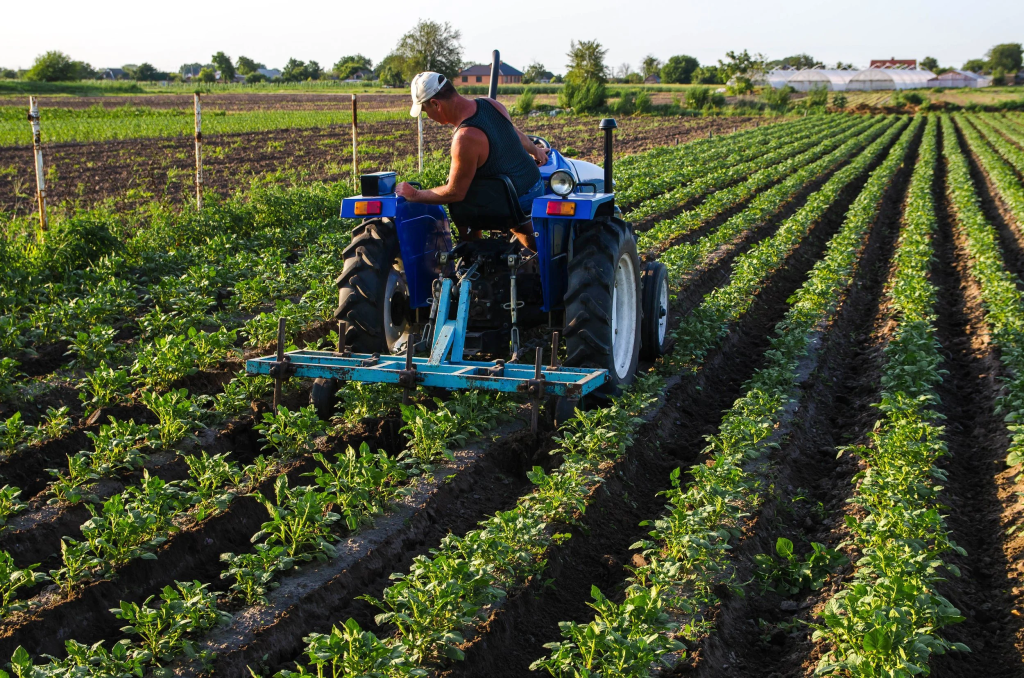
Physical weed control refers to weed removal by hand, machinery and equipment, or thermal methods (Stockdale et al., 2001).
a. Mechanical weed control:
i. Tillage: Tillage is frequently required for the removal of established weeds, particularly perennial weeds that grow from vegetative parts such as storage roots, rhizomes, or other underground structures. Tillage encompasses the uprooting of weeds and the chopping of weed shoots and roots. It also includes the burying of weeds and their seeds, or a combination of all these practices depending on the tool(s) used. Tillage can speed up seed germination by scarification (nicking, breaking, scratching…), i.e. seed exposure to a brief flash of light. Furthermore, the soil is loosened, aerated, mineralized and dried by the upward and downward movements of seeds caused by tillage. These alternations to soil conditions can result in seed germination or seed dormancy. Weed species and their life stages differ, thus respond differently to mechanical control. Therefore, the weeds present have to be considered when selecting the time of and tools for primary and secondary tillage.
Primary tillage implements encompass mould board (turn) ploughs, chisel ploughs, disc ploughs, rotary spaders, and rotary tillers. Secondary tillage implements encompass disc harrows, field cultivators, spring-tooth harrows, spike-tooth harrows, and rotary tillers (Schonbeck, 2019).
Effectiveness of tillage in weed control greatly depends on weather conditions: The tillage performed on a hot, sunny day provides the best weed control as noxious weeds with long underground rhizomes (such as couch grass) can be pulled out and left to shrivel. If a wet soil is tilled, the soil will compact and its texture will be lost, which will then favour weed species with a preference for hard soils and aggravate subsequent crop growing. If wet weather occurs after tillage, weeds can root again. If initial tillage is followed by cold, wet conditions, the germination of weed seeds can be inhibited and the effect of stale seedbed can be reduced.
Soil aeration is also of great importance for organic weed control: Soil aeration is also of great importance, particularly in the organic production system depending on the activity of microbes for sustainable crop growing. When new oxygen is introduced, microbes living in the soil transform organic matter into stable humus. They also reproduce, releasing easy accessible nutrients into the soil solution, which is then used by crops (Howell & Martens, 2022).
ii. Blind cultivation: Due to differences in the height of the crop and the weed, blind cultivation is the simplest and most effective mechanical weed control method. The purpose of blind cultivation is to dislodge shallow-rooted weeds in the 2-5-cm topsoil, causing considerable number of small size weed seeds (that are in the process of germination) to completely dry and wilt. Since large seeds of crops germinate below the sowing depth, blind cultivation does not cause any damage to them. Blind cultivation can break a soil crust, and thus allow the emergence of crop seedlings.
iii. Inter-row cultivation: The good time to start inter-row cultivation is when the crop rows are easily observable, i.e. maize plants are 20-25 cm in height and soybeans are in the third trifoliate stage. Weed growing will be less vigorous and aggressive provided the valuable plants are tall enough not to be buried with weeds. The first pass is crucial to determine the seasonal weed control, but the second one is commonly needed for the elimination of weeds whose growth was stimulated by the first cultivation, and for further aeration of the soil (Howell & Martens, 2022). Different weed classes respond differently to inter-row cultivation. Based on the study carried out by Haden et al. (2007), inter-row cultivation reduced the number of different species at 32 DAT. Following the period of 32 DAT, the number of weed species in the treated weed population was smaller, and the overall diversity was lower than in the untreated weed population. Intensive inter-row cultivation (twice with both a rotary hoe and a wooden weeder) was found an efficient, but difficult strategy for weed suppression. All the weed classes considered responded satisfactorily to this weeding treatment.
iv. Thermal weeding methods: Thermal weeding methods can be classified into two groups: high-temperature and low-temperature weeding methods.
High-temperature weeding methods include hot water or steam (HW), infrared radiation (IR), open flame (OF), and microwave radiation.
Low-temperature weeding methods entail liquid nitrogen. HW, IR and OF have been used in crop cultivation, glasshouses, public gardens, and schoolyards.
HW is applied directly to the weeds, and there is no fire risk because there is no flame. HW can be applied under varying weather conditions such as windy or rainy conditions with no concern for soil drifting, surface runoff, or loss of efficacy (Stockdale et al., 2001).
A number of farmers use propane flame burners in vegetable growing, either backpack or tractor-mounted flame weeders, to destroy small weeds immediately before cropping. The entire fields are flamed with this equipment. Farmers who use propane flame weeding between crop rows install special heatproof shields for crop protection. Organic farmers often burn a stale seedbed to eliminate young weeds without disturbing the soil. It is done immediately before or immediately after crop sowing. These tools have flame hoods or shields that aim the heat at the target weeds, and are therefore more energy efficient (Schonbeck, 2019). Flaming can be a pre-emergence approach to suppressing the emergence of broadleaf weeds, which is less expensive and more efficient than handpulling (Anonymous, 2022). According to Diver (2002), flaming is most efficient and energy-saving when used on weeds not higher than 5 cm. If the OF method is applied with flames at temperatures of up to 1000°C to plant leaf area for at least 0.1 s, the internal water located within cells boils and cell membranes burst leading to dehydration and death (Lague et al., 2001). Not many crops are tolerant to flaming between rows at certain stages of their development. However, maize, onions and cotton are such crops: growth points of several-cm tall maize and onion plants are protected by the internal structure of the plants, whereas cotton ligneous stem is fairly flame resistant. The flame directed to the soil surface from both sides of the row is intended to shortly expose weeds to intense heat, so that cell membranes will burst and cause the weed to desiccate and die soon (Diver, 2002; Schonbeck, 2019). OF is more effective for suppressing broadleaf species than other weed species (Litterick et al., 1999). Even though OF can be used for the majority of crops, it is not recommended for shallow-rooted crops (Bond & Grundy, 2001).
Steam weeders, hot water and infrared heaters are also used in thermal weeding. Infrared weeders use propane metal or ceramic plates to radiate heat on weed tops. Although the effects of infrared weeders are positive, their energy requirement is much higher than that of flame weeders (Astatkie et al., 2007). The adequate exposure time is necessary for IR radiation to be successful in weed eradication (Bond & Grundy, 2001; Lague et at., 2001).
CROPPING PRACTICES
i. Cover crops: Cover crops are crops that provide soil protection by slowing erosion and improving the soil health status between periods of crop cultivation. These crops are not grown for market purposes, but they are incorporated into the soil when breaking through the plough pan. They may also be used as green manure crops. If mulched in the no-till farming system, cover crops can increase nitrogen economy and conserve the soil retention of moisture and organic matter. It can also decrease soil erosion, enhance soil physical traits and soil fertility, suppress weeds, reduce diseases and pests, reduce global warming, and improve crop yields (Fageria et al., 2005).
The role of cover crops in supporting soil function is even more important in organic farming as the application of synthetic chemical fertilizers and pesticides is forbidden. Cover crop mixes, often referred to as combinations, can provide high-quality residues, and their carbon-to-nitrogen ratio facilitates cover crop growing (Treadwell et al., 2010). Furthermore, they can improve soil cover, weed destruction, and biomass, particularly under arid and other unfavorable conditions (Stika, 2013). A further benefit of sowing cover crop mixes, or rotating cover crops, is reflected in decreasing plant pathogens or soil parasitic nematodes.
Instead of leaving arable land without sowing, annual or short-term perennial cover crops, which develop quickly and overlap weeds before they have the chance to emerge, could be sown for weed control. For example, if commercial crop sowing is planned for early spring, winter annual cover crops such as a mixture of oats and crimson clover that die back early could be selected for sowing. If late spring and early summer commercial crops are to be sown, cover crops that can overwinter well, such as hairy vetch and rye, could be used. Annual cover crops can be used as mulch or could be roll-crimped, or just left to die naturally (Anonymous, 2022).
ii. Mulching: Organic mulch materials raise the level of soil nutrients, maintain the optimal soil temperature, limit the rate of evaporation from the soil surface, hamper weed growth, improve soil health, and prevent soil erosion.
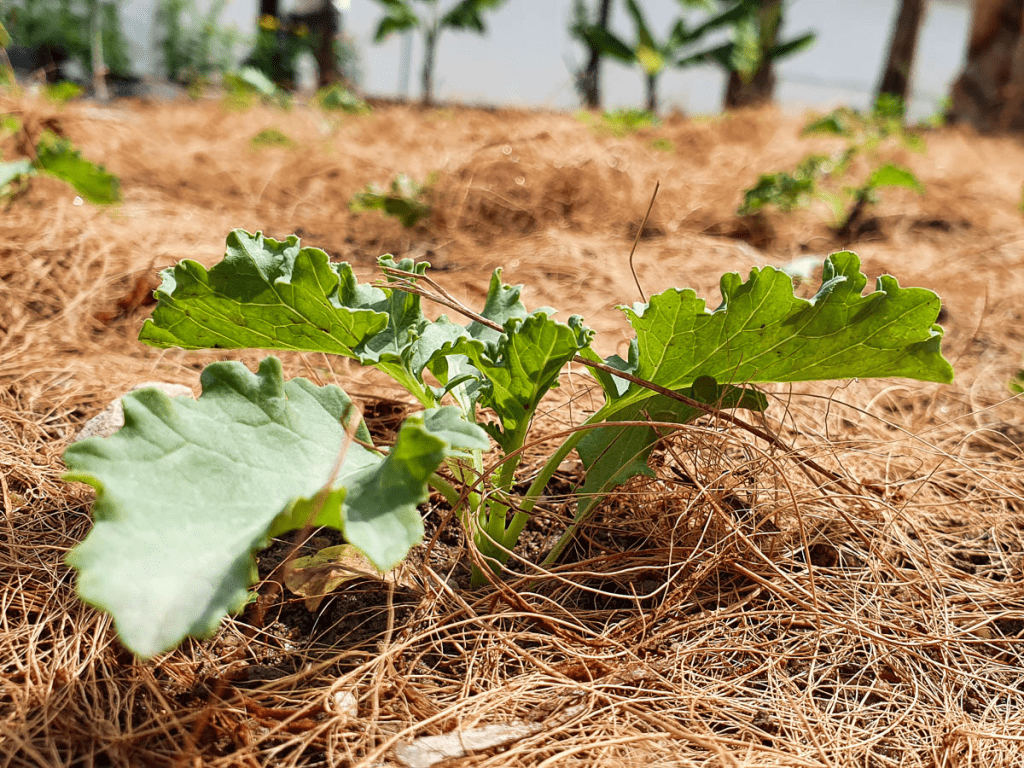
There are many types of materials that can be used to cover the soil surface: straw free of noxious weeds, thick layers of leaf mulch, well-composted manure, and mulch materials such as natural, synthetic, petroleum, conventional, inorganic and organic mulches (Anonymous, 2022). These materials are commonly grouped into organic and inorganic mulch materials. There are several types of organic mulches: wood bark, wood chip, grass clippings, hay, straw, shredded leaves, etc. As weed seeds need moisture and light to germinate, mulching can keep seeds in the dark, thus inhibiting their growth. Mulches can provide protection for ground beetles and other beneficial predators that feed on weed seeds. They also retain moisture in the soil, which is necessary for crop production, maintain soil suitability for sowing and growing crops, prevent surface crusting, provide food for all organisms living on or in the soil, and sometimes provide slow-release nutrients. An 8-10 cm hay or straw mulch can successfully decrease the emergence of broadleaf weed seedlings (Schonbeck, 2019).
Living mulch, i.e. any plant covering certain area during the entire season, can suppress early season weed seed germination, provide the equilibrium between crops and weeds, and ensure the crop’s access to light, water, and nutrients. The timing of living mulch in weed suppression is vital for obtaining adequate crop yields (Leary & DeFrank, 2000).
According to Paine & Harrison (1993), the following properties are important for living mulch species: the rapid establishment for early weed suppression and soil erosion prevention, adequate wear tolerance and persistence, drought tolerance and low fertility, and low maintenance budget relative to mowing intervals, fertilizer needs, cover removal, or chemical mowing.
a. Bark: Bark mulch or chippings are good materials because they contain and retain moisture for longer periods, which facilitates crop growing. It is usually used for plant beds, borders and landscaping, but it should not be used in vegetable fields because it contributes to soil acidification (Ranjan et al., 2017).
b. Grass clipping: Mulching using the organic material such as straw or grass clippings has become very popular in growing vegetables and annual flowers. Certain mulch material, including grass clippings, may also fertilize the crop. Freshly mowed grass clippings should not be removed from the field because they degrade easily and increase the nitrogen levels in the soil. If they are applied in thin layers, grass clippings make a good mulch, especially if they are left to dry between applications. As they decompose rapidly, additional layers during the growing season are desirable.
c. Straw: Straw is an ideal mulching material because it is easily applied in the field, remains in place, and reflects sunlight, which improves fruit bearing in some vegetables. It is used as both winter protection and summer mulch in vegetable fields because of its weed seed free property. The thickness of the applied straw mulch should be about 15-20 cm (Pedda Ghouse Peera et al., 2020).
d. Black plastic film mulch: A black plastic film mulch successfully obstructs the emergence of most weeds, including perennials. This type of mulch also eliminates the light stimulus for weed seed germination. Nevertheless, such synthetic materials do not improve soil quality, can obstruct rain penetration, and (unless biodegradable) require removal and discarding at the end of the season. Additionally, weeds often penetrate sowing holes, where their control is very challenging. Transparent plastic mulches warm up the soil much more than black plastic mulches. During hot summer weather, they can affect the exposure of the soil to sunrays (solarisation), which is yet another form of thermal weeding. Solarisation eradicates emerging weeds, certain soil-borne crop pathogens, insect pests, and even some weed seeds and vegetative propagules of perennial weeds. Conversely, if weather conditions are cold or cloudy, they will not support effective solarization, but will just accelerate weed development under the plastic film by creating approximately optimum temperatures (Feeser et al., 2014).
iii. Compost: As a process that converts organic materials into mulch through natural decomposition, composting is preferred over organic waste, which is reduced to organic fertilizers and soil conditioners through biological processes (Gautam et al., 2010). During the composting process, different indicators such as the C:N ratio, composting temperature, pH of the end product, moisture content, and presence of potential pathogens such as coliform bacteria are used to estimate the quality and stability of the compost (Sanmanee et al., 2011).
The use of compost in vegetable fields should be minimized because the level of its nitrogen is too high. It may also contain weed seeds. Compost can efficiently control some soil-borne diseases, particularly root-rot diseases. If a favorable environment and food source are provided, compost supports the growth of microorganisms that compete with parasites, or produce natural antibiotics against plant pathogens. Furthermore, a great plant vigor caused by applied compost can increase the plant’s tolerance to pathogens.
The composting process consisted of three stages:
During the first stage, carbon dioxide and the temperature increase. The substrate is reduced, because mesophilic organisms degrade sugar and proteins. During the second stage, the temperature in the compost pile rises from 45 °C to approximately 70 °C, and thermophiles replace mesophiles. The third stage starts with the reduction in the temperature of the compost pile (Pan et al., 2012).
iv. Crop rotation: It is recommendable to rotate pulses with grasses, crops in spring with crops sown in autumn, inter-tilled crops with close-sown crops, heavy feeders with light feeders. The appropriate use of cover crops in the bare soil surface increases beneficial nutrients (principally nitrogen), organic substances, diversity of various soil microbes, and soil erosion protection (Howell & Martens, 2022).
Crop rotation in organic farming plays a significant role in reducing the damage of a great number of insects, pathogens, weeds, and plant diseases. The continuous cropping of the same plant family has to be avoided at all costs. For example, the Brassicaceae family (cole crops) should be sown prior to the Asteraceae family (lettuce, cut flowers). The Solanaceae family (tomatoes, potatoes, peppers, eggplants) should be grown after the Asteraceae family, whereas the Curbitaceae family (squashes, cucumbers, melons) should follow the Asteraceae family. In order to decide on the length of the rotation before re-sowing the same vegetable crop, it is of utmost importance to know how long the pathogens transmitted by or in the soil are able to survive in the field.
v. Allelopathy: Certain plant species produce chemical substances and release them from their roots to compete with neighbouring plants by inhibiting their growth. This phenomenon is known as allelopathy.
Allelochemicals inhibit the plant growth and development because they can affect nutrition by reducing mineral intake, the chlorophyll content (such as juglone), carbon flow, phytohormone activity, enzyme activity and production, etc. They can be found in different plant parts, particularly in leaves, roots, seeds, rhizomes and stems (they can also be detected in flowers, but in limited quantities). When synthesizing allelochemicals, temperature, light intensity and photoperiod play a crucial role, whereas the reduction in environmental humidity is also a significant factor for their activation (Vuković & Šunjka, 2021).
The process of using plants with allelopathic properties is called biofumigation. It is performed by growing plants of the mustard genus (Brassica juncea and B. napus) until anthesis, after which they are mulched and incorporated by tillage. Consequently, isothiocyanates are released to prevent weed germination and reduce phytopathogenic fungi (Mattner et al., 2008).
vi. Organic herbicides: The essential oils of clove, citrus, cinnamon, lemongrass oil, etc. are active ingredients of a number of plant-based and natural herbicides.
Pre-emergence organic herbicides
a. Maize gluten meal (MGM): This is the by-product of the wet-milling process of maize. Maize gluten meal is made and can be acquired in the form of powder, pellets, or granules (Webber et al., 2012).
According to the glasshouse studies performed by Liu & Christians (1997), the following species were the most susceptible: Medicago lupulina, Plantago lanceolata, Agrostis palustris, Portulaca oleracea, and Amaranthus retroflexus. At the application rate of 1 g dm-2, root length, plant survival and shoot length were reduced by 70%, 60% and 52%, respectively. At the same application rate, the reduction in root length and plant survival in Chenopodium album, Rumex crispus, Taraxacum officinale, Setaria faberi, Digitaria sanguinalis, Setaria lutescens was more than 50%. Poa annua, Echinochloa crus-galli, Setaria viridis, Dactylis glomerata, Lolium perenne, Agropyron repens, and Abutilon theophrasti were mainly susceptible at 2 g dm-2
b. Mustard seed meal (MSM): It is used to control germination and emergence of weed seedlings. It contains glucosinolates that typically undergo enzymatic hydrolysis to form isothiocyanates, SCN2, nitriles, and other compounds when added to moist soils (Vaughn & Berhow, 2005). Regrettably, it can destroy directly sown vegetables (Webber et al., 2017). In numerous studies, MSM has been used to suppress weeds in sods (Earlywine et al., 2010), onions (Boydston et al., 2011), garden plants (Boydston et al., 2008), potatoes (Boydston et al., 2008), and peppermint (Boydston et al., 2008), etc.
According to Hoagland et al. (2008), the phytotoxicity and consistency of MSM made from white mustard were good or higher than that of MSM made from annual rape and brown mustard. The field studies performed by Webber et al. (2017) confirmed the phytotoxic effect of MSM on the autochthonous weeds and seedling establishment of cantaloupe (Cucumis melo L.) var. ‘PMR-45’, cucumber (Cucumis sativus L.) var. ‘Marketmore 76’, yellow squash (Cucurbita pepo L.) var. ‘Crookneck’, and watermelon (Citrullus lanatus L.) var. ‘Dixie’. Their results indicate that, although MSM applications provided satisfactory control of broadleaf, grassy, and total weeds, the application of MSM at 2.25 and 4.5 mt/ha-1 significantly decreased the crop establishment of directly sown gourd-family plants.
Post-emergence, post-directed, and burn down organic herbicides
They are directed away from established crops to avoid crop damage. These bio herbicides harm the plant cuticle and cell walls, causing dehydration and fast wilting. With these bio herbicides, it is easier to suppress broadleaf, smaller and annual weeds than grassy, larger and perennial weeds (Webber et al., 2012).
a. Ammonium nonanoate: It is a non-selective contact bioherbicide. In their study, Webber et al. (2011) pointed out that the application of ammonium nonanoate produced better control of the following broadleaf weeds: tumble pigweed (Amaranthus albus L.), spiny pigweed (A. spinosus L.), Mollugo verticillata L., Eleusine indica L. Gaertn., and smooth crabgrass [Digitaria ischaemum (Schreb. ex Schweig Schreb.)]. The best weed control for both amaranth species occurred at a rate of 10.8 kg·ha−1 applied at 654 L·ha−1.
Ammonium nonanoate was very toxic to Indian chickweed. The lowest application rate and volume provided a weed control rate of 66%, whereas the majority application rates and volumes produced at least a weed control rate of 88%. The control rates of grassy weeds varied from 31–54% to 24–54% in crowfoot grass and small crabgrass, respectively. In the majority of grassy weeds or larger (5 cm) broadleaf weeds, repeated applications might be needed to obtain satisfactory control.
b. Vinegar (acetic acid). Vinegar (5, 10, 15, and 20% acetic acid) is a non-selective, non-synthetic, contact bio herbicide with no residual activity. Although it kills upon contact, it cannot provide systemic control of weeds (i.e. cannot not be absorbed by roots). Vinegar is more effective in suppressing broadleaf weeds than grassy weeds, and less effective in perennial than in annual weed species (Webber et al., 2009). Depending on the weed size and species, i.e. whether weeds are annuals or perennials, it might be necessary to apply acetic acid more than once for satisfactory weed control.
c. Clove oil: Clove oil is another post-emergence, non-selective, contact bioherbicide. It is applied in the control of vigorously growing emerged annual and perennial grassy and broadleaf weeds. Weed control with clove oil depends on the plant size, spray volume, and clove oil concentration (Boyd & Brennan, 2006).
Evans & Bellinder (2009) observed the potential use of vinegar and clove oil bioherbicide in field experiments with sweet maize, onion, and potato. The effectiveness of the product depended on the weed species and their size at the time of the herbicide use. Broadcast applications of vinegar and clove oil have been found very effective in young, actively growing sweet maize, onion, and potato. Similar to other contact bioherbicides, the suppression of grassy weeds is more difficult than broadleaf ones if weeds are of a similar size (Webber & Shrefler, 2009a).
CONCLUSION
Compared to conventional agriculture, suppressing weeds in organic farming is a challenging task because the application of herbicides in not allowed. Accordingly, a more comprehensive and in-depth understanding of the biology of weeds and crops (and their interactions) is required. In addition to direct eradication, weed prevention methods are the basis of weed control. Breeding plants for weed suppression has long been overlooked because herbicides provide a more efficient and effective method of weed control. More studies are needed to anticipate when a crop grower should take action to suppress and control weeds to accomplish optimum benefits.
REFERENCES
Anonymous. (2022). Weed management the organic way. https://rodaleinstitute.org/blog/weed-management-theorganic-way/
Astatkie, T., Rifai, M. N., Havard, P., Adsett, J., Lacko-Bartosova, M., & Otepka, P. (2007). Effectiveness of hot water, infrared and open flame thermal units for controlling weeds. Biological Agriculture & Horticulture, 25(1), 1–12.
Bond, W., & Grundy, A. C. (2001). Non-chemical weed management in organic farming systems. Weed Research, 41, 383–405.
Boyd, N. S., & Brennan, E. B. (2006). Burning nettle, common purslane, and rye response to a clove oil herbicide. Weed Technology, 20, 646–650.
Boydston, R. A., Anderson, T., & Vaughn, S. F. (2008). Mustard (Sinapis alba) seed meal suppresses weeds in container-grown ornamentals. HortScience, 43, 800–803.
Boydston, R. A., Morra, M. J., Borek, V., Clayton, L., & Vaughn, S. F. (2011). Onion and weed response to mustard (Sinapis alba) seed meal. Weed Science, 59(4), 546–552.
Cheng, F., & Cheng, Z. (2015). Research progress on the use of plant allelopathy in agriculture and the physiological and ecological mechanisms of allelopathy. Frontiers in Plant Science, 6, 1020.
Diver, S. (2002). Flame weeding for vegetable crops. National Sustainable Agriculture Information Service. https://attra.ncat.org/attra-pub-summaries/?pub=110
Earlywine, D. T., Smeda, R. J., Teuton, T. C., Smas, C. E., & Xiong, X. (2010). Evaluation of oriental mustard (Brassica juncea). Weed Technology, 24, 440–445.
Evans, G. J., & Bellinder, R. R. (2009). The potential use of vinegar and a clove oil herbicide for weed control in sweet corn, potato, and onion. Weed Technology, 23(1), 120–128.
Fageria, N. K., Baligar, V. C., & Bailey, B. A. (2005). Role of cover crops in improving soil and row crop productivity. Communications in Soil Science and Plant Analysis, 36(19–20), 2733–2757.
Feeser, J., Zinati, G., & Moyer, G. (2014). Beyond black plastic: Cover crops and organic no-till for vegetable production. Rodale Institute. https://www.sare.org/wp-content/uploads/SARE_BeyondBlackPlastic-4-2-2014.pdf
Gautam, S. P., Bundela, P. S., Pandey, A. K., Awasthi, M. K., & Sarsaiya, S. (2010). Composting of municipal solid waste of Jabalpur city. Global Journal of Environmental Research, 4, 43–46.
Golijan, J., & Sečanski, M. (2022). Biopesticides in organic agriculture. Contemporary Agriculture, 71(1–2), 141–154.
Hoagland, L., Carpenter-Boggs, L., Reganold, J. P., & Mazzola, M. (2008). Role of native soil biology in Brassicaceous seed meal-induced weed suppression. Soil Biology and Biochemistry, 40, 1689–1697.
Howell, B., & Martens, K. (2022). Organic weed control: Cultural and mechanical methods. https://www.ecofarmingdaily.com/eco-farming-index/organic-weed-control/
Lague, C., Gill, J., & Peloquin, G. (2001). Thermal control in plant protection. In C. Vincent, B. Panneton, & F. Fleurat-Lessard (Eds.), Physical control methods in plant protection (pp. 35–46). Springer.
Leary, J., & DeFrank, J. (2000). Living mulches for organic farming systems. HortTechnology, 10(4), 692–698.
Litterick, A. M., Redpath, J., See, W., & Leifert, C. (1999). An evaluation of weed control strategies for large scale organic potato production in the UK. In Proceedings of the Brighton Crop Protection Conference – Weeds (pp. 951–956).
Liu, D. L., & Christians, N. E. (1997). Inhibitory activity of corn gluten hydrolysate on monocotyledonous and dicotyledonous species. HortScience, 32(2), 243–245.
Mattner, S. W., Porter, I. J., Gounder, R. K., Shanks, A. L., Wren, D. J., & Allen, D. (2008). Factors that impact on the ability of biofumigants to suppress fungal pathogens and weeds of strawberry. Crop Protection, 27(8), 1165–1173.
Pedda Ghouse Peera, S. K., Debnath, S., & Maitra, S. (2020). Mulching: Materials, advantages and crop production. In S. Maitra, D. J. Gaikwad, & T. Shankar (Eds.), Protected cultivation and smart agriculture (pp. 55–66). New Delhi Publishers.
Ranjan, P., Patle, G. T., Prem, M., & Solanke, K. R. (2017). Organic mulching – A water saving technique to increase the production of fruits and vegetables. Current Agriculture Research Journal, 5(3), 371–380.
Sanmanee, N., Panishkan, K., Obsuwan, K., & Dharmvanij, S. (2011). Study of compost maturity during humification process using UV-spectroscopy. World Academy of Science, Engineering and Technology, 80, 403–405.
Schonbeck, M. (2019). An organic weed control toolbox. https://eorganic.org/node/2782
Stika, J. (2013). Cover crop mixes: Getting the crop you want [Webinar]. https://www.conservationwebinars.net
Stockdale, E. A., Lampkin, N. H., Hovi, M., Keatinge, R., Lennartsson, E. K. M., MacDonald, D. W., Padel, S., Tattersall, F. H., Wolfe, M. S., & Watson, C. A. (2001). Agronomic and environmental implications of organic farming systems. Advances in Agronomy, 70, 261–327.
Treadwell, D., Creamer, N., & Baldwin, K. (2010). An introduction to cover crop species for organic farming systems. https://www.extension.org/pages/18542/an-introduction-to-cover-crop-species-for-organic-farming-systems
Vaughn, S. F., & Berhow, M. A. (2005). Glucosinolate hydrolysis products from various plant sources: pH effects, isolation and purification. Industrial Crops and Products, 21, 193–202.
Vuković, S. M., & Šunjka, D. B. (2021). Biopesticidi. University of Novi Sad, Faculty of Agriculture.
Webber, C. L., III, Brandenberger, L. P., Shrefler, J. W., Taylor, M. J., Carrier, L. K., & Shannon, D. K. (2011). Weed control efficacy with ammonium nonanoate for organic vegetable production. International Journal of Vegetable Science, 17, 1–8.
Webber, C. L., III, Shrefler, J. W., & Brandenberger, L. P. (2012). Organic weed control. In R. Alvarez-Fernandez (Ed.), Herbicides: Environmental impact studies and management approaches. InTech. http://www.intechopen.com/books/herbicides-environmental-impact-studies-and-management-approaches/organic-weed-control
Webber, C. L., III, White, P. M., Jr., Boydston, R. A., & Shrefler, J. W. (2017). Impact of mustard seed meal applications on direct-seeded cucurbits and weed control. Journal of Agricultural Science, 9(8), 81.
Webber, C. L., III, Shrefler, J. W., Brandenberger, L. P., Taylor, M. J., & Boydston, R. A. (2009). 2008 organic herbicide update. In Proceedings of the Horticultural Industries Show (pp. 237–239).